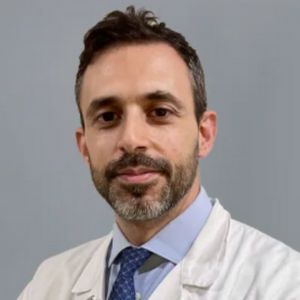
Roberto Mele
San Raffaele Hospital
Coordinator of the Nutrition Biology Area at IRCCS Ospedale San Raffaele and subject expert at Vita-Salute San Raffaele University with advanced experience in human clinical nutrition, healthcare management and clinical governance.
Presentation:
Plant-based UPFs: from NOVA labels to nutrient quality and clinical use
Key Points:
• NOVA and definitions: processing is not a proxy for harm. NOVA can be useful for surveillance and hypotheses but it groups highly heterogeneous foods and can misclassify products.
• What the evidence actually shows: most UPF-health links come from observational cohorts; associations are consistent but vulnerable to residual confounding and lifestyle clustering. Controlled feeding data suggest intake and energy density/palatability matter.
• Mechanisms, not prejudice: when risks emerge, they often track with energy density, added sugars/sodium, low fiber, portion size, and eating rate not with “processing” per se.
• Plant-based UPFs are nutritionally different: some are low-quality “salt/sugar/fat vehicles,” others can be high-protein, high-fiber, fortified and pragmatically useful in diet transitions—so nutrient profiling and context are essential.
• Alternative proteins & bioavailability (clinical lens): protein quality depends on digestibility and amino acid profile; plant proteins may have limiting AAs and lower DIAAS, while processing (e.g., extrusion/fermentation) can improve digestibility.
Speaking Schedule
May 13
Start 08:30 - New plant-based foods: clean label products
Plant-based UPFs: from NOVA labels to nutrient quality and clinical use